
Understanding What a Sludge Pump Does
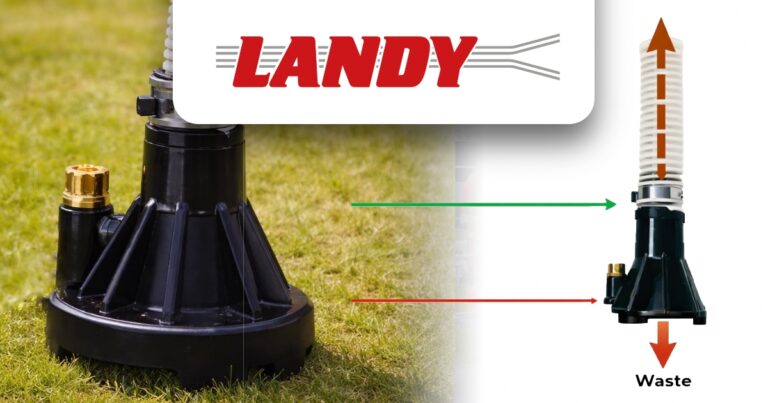
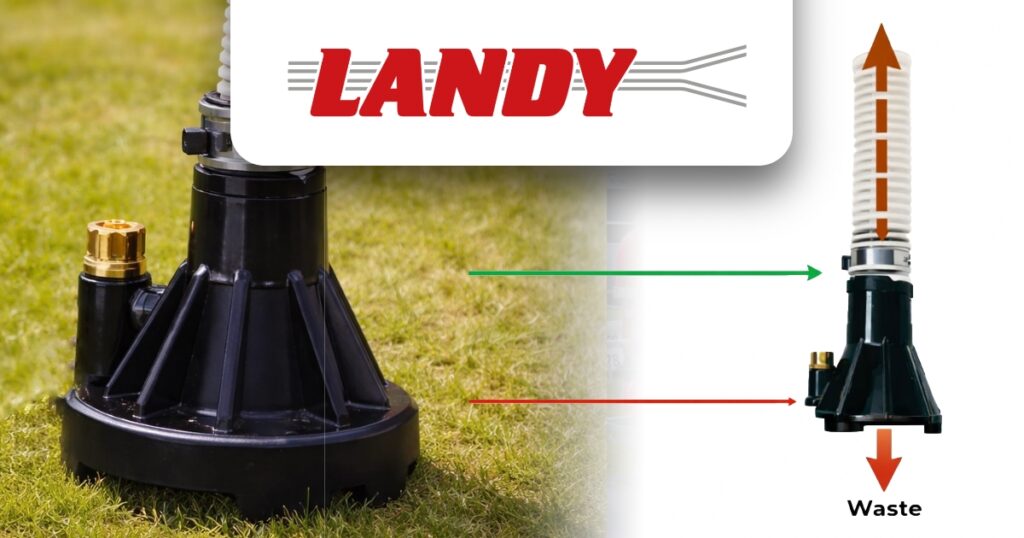
A sludge pump is designed to move dirty water, slurry, and waste liquids that contain solid particles. Unlike standard pumps, sludge pumps are built to handle thick, contaminated water without clogging or losing performance.
They are commonly used after pressure washing, where large volumes of dirty water need to be removed quickly and efficiently. On farms and industrial sites, this makes them an essential part of the cleaning process.
Why Sludge Pumps Are Important for Farms and Yards
When cleaning machinery, yards, or livestock areas, water quickly mixes with mud, slurry, and debris. Without a proper way to remove this waste, it can pool, create hazards, and slow down operations.
A sludge pump allows you to clear contaminated water efficiently, keeping working areas clean, safe, and usable.
This is especially useful in agricultural environments where heavy runoff is common and drainage is limited.
How Sludge Pumps Work with Pressure Washers
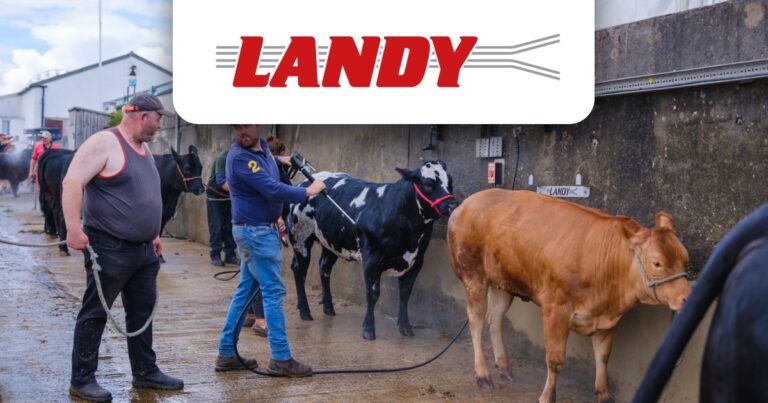
Sludge pumps are often used alongside pressure washers to complete the cleaning process. While the washer removes dirt and debris, the pump removes the resulting wastewater.
For example, when using a PTO pressure washer to clean farm machinery or yards, large amounts of dirty water are produced. A sludge pump ensures that this water doesn’t build up, allowing cleaning to continue without interruption.
This combination improves efficiency and reduces downtime during heavy cleaning tasks.
Common Uses for Sludge Pumps
Sludge pumps are used across a wide range of applications where dirty water needs to be removed quickly.
They are particularly useful for cleaning farmyards, removing slurry after washdown, clearing drainage areas, and managing wastewater in industrial environments. They are also commonly used in wash bays where water and debris need to be controlled.
Their ability to handle solids makes them far more effective than standard water pumps in these conditions.
Key Features to Look For in a Sludge Pump
Choosing the right sludge pump depends on the type of work you carry out.
A good pump should be capable of handling solids without clogging, as this is essential when dealing with slurry and debris. Flow rate is also important, as higher flow allows faster removal of wastewater.
Durability is another key factor. Agricultural and industrial environments are demanding, so the pump must be built to withstand regular heavy use.
Compatibility with your existing equipment is also worth considering, particularly if you plan to use it alongside pressure washers or other cleaning systems.
When Should You Use a Sludge Pump?
A sludge pump becomes necessary whenever water alone is not the only thing being moved. If your cleaning process produces muddy runoff, slurry, or contaminated water, a standard pump will struggle.
Situations where a sludge pump is especially useful include cleaning heavily soiled machinery, managing washdown areas, and dealing with standing dirty water that cannot drain naturally.
Using the right pump in these situations prevents buildup and keeps operations running smoothly.
Benefits of Using a Sludge Pump
Using a sludge pump improves efficiency by allowing you to remove wastewater quickly and continue cleaning without delays. It also helps maintain safer working conditions by reducing standing water and slippery surfaces.
In the long term, it protects your site by preventing water accumulation that could lead to structural or drainage issues.
Conclusion
A sludge pump is a simple but essential tool for managing dirty water in agricultural and industrial environments. When used alongside a pressure washer, it completes the cleaning process by removing waste efficiently and safely.
For farms, contractors, and heavy-duty cleaning operations, investing in the right equipment ensures better results, less downtime, and a cleaner working environment overall. Take a look here.